Tax return deadline - are you ready?
The deadline for submitting your self-assessment tax return on paper for 2023/24 is a few weeks away. If you can’t meet it, what steps can you take to escape a fine?
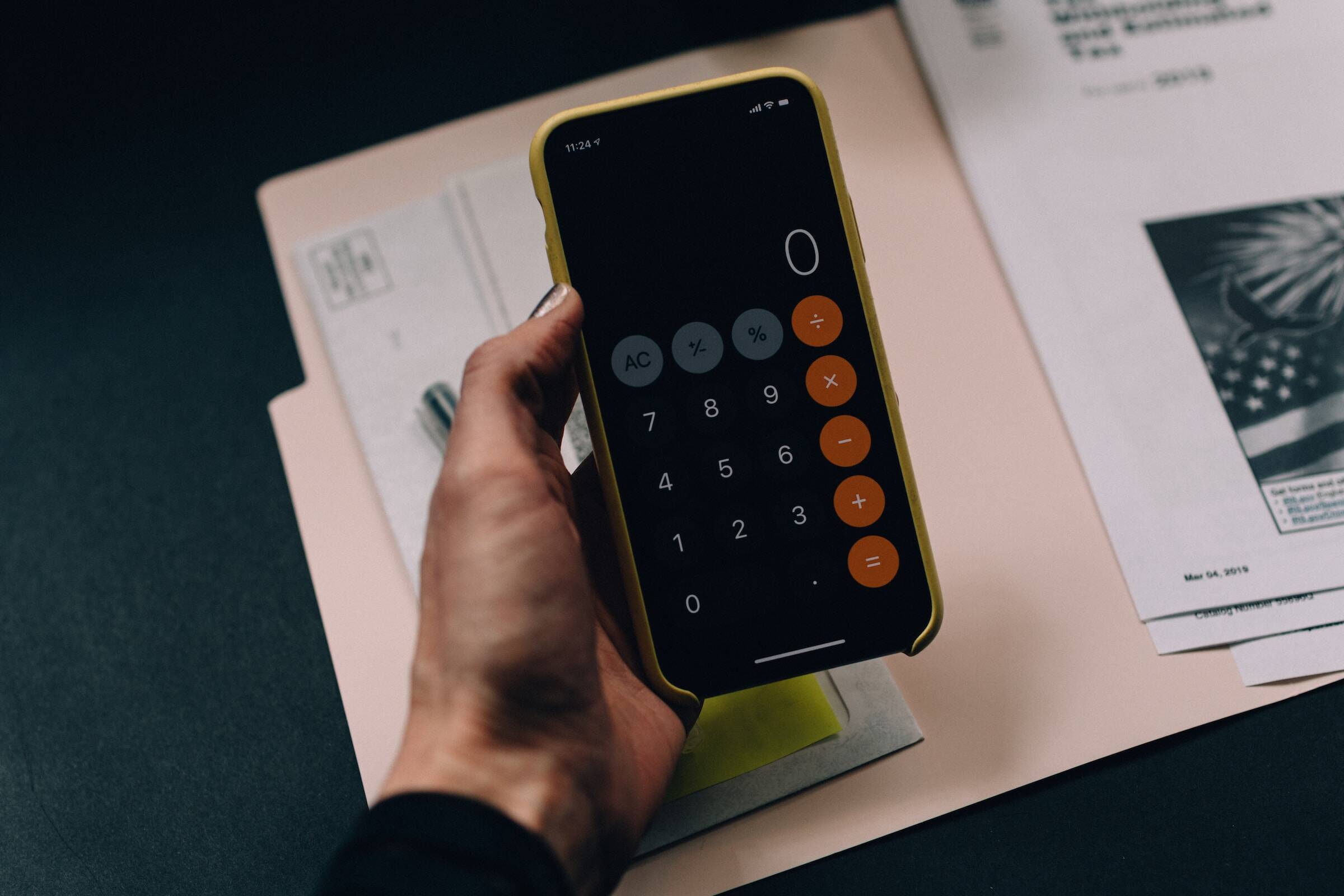
If you prefer to fill in your tax return on paper, you have until midnight on 31 October 2024 to deliver it to HMRC. If you miss the deadline you’ll be fined £100 with the possibility of additional fines depending on how late your return is. If HMRC’s request that you complete a 2023/24 tax return was dated 1 August 2024 or later, the deadline for submitting the form on paper or online is three months from the date of HMRC’s request.
HMRC doesn’t publicise it, but there are circumstances where it will accept a paper 2023/24 tax return after 31 October, though not later than 31 January 2025 unless the tip above applies, without fining you.
Check HMRC’s list of exceptions where paper tax returns are accepted. Also check the list if you intend to file your tax return online in case your circumstances require you to file on paper.
If you’re going to miss the 31 October deadline, you can still avoid a fine by submitting your return online. If you haven’t already done so, you’ll need to sign up for HMRC online services which gives you the option of completing and submitting your tax returns online. Alternatively, you can buy self-assessment software from as little as £20 which allows you to complete your return on-screen and submit it electronically.
Don’t forget that there’s also a fine for paying your self-assessment tax late. Whether you file your self-assessment return on paper or online, the normal deadline for paying the tax you owe for 2023/24 is 31 January 2025.
Related Topics
-
Selling spare items to your company
You’re short of cash but if you use the traditional methods to take more money out of your company you’ll pay higher rate taxes. Is there another way to extract profits without paying income tax or NI?
-
No such thing as a (tax) free lunch?
You run a small consultancy company and treat your staff to lunch in the office once a week. Your bookkeeper says it’s a taxable benefit in kind because staff lunches are only exempt if they are provided in a workplace canteen. Is this correct?
-
Judge criticises use of fabricated AI-generated cases in HMRC appeal
A tax tribunal judge has criticised the use of apparently fabricated case references generated by artificial intelligence in an appeal against HMRC. The incident highlights growing concerns over the use of AI tools in legal and tax proceedings. What happened?