HMRC shuts down repayment agent
HMRC has previously announced an increase in protective measures for individuals dealing with so-called “repayment agents”. Now, one such agent has been ordered to cease trading. What’s the full story, and what do you need to do if you have a claim in progress?
Repayment agent ads have become a common sight in recent years, particularly on social media. You’ll recognise them by their style, usually along the lines of “Do you wear a uniform to work? You could be owed £1,000s from HMRC…” or similar. While many such agents are genuine, the industry has come in for criticism due to practices that are, at best, questionable, e.g. requiring refunds to be made directly to the agent’s account.
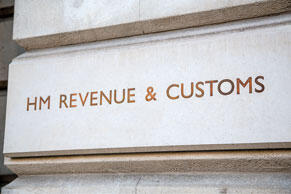
More seriously, HMRC is concerned that some of these “firms” are really just a front for money laundering. All tax agents (and other professionals, including accountants and solicitors) must comply with anti-money laundering regulations, including being registered with a supervisory authority. HMRC has found one agent, Tax Credits Limited, to have seriously breached these requirements and ordered the company to cease trading as a repayment agent. It's estimated that around 11,000 individuals had commenced refund claims via the company. HMRC will now write to these individuals to update them. The refunds will be automatically made by HMRC, so you don’t need to do anything if you are one of those affected.
Related Topics
-
Selling spare items to your company
You’re short of cash but if you use the traditional methods to take more money out of your company you’ll pay higher rate taxes. Is there another way to extract profits without paying income tax or NI?
-
No such thing as a (tax) free lunch?
You run a small consultancy company and treat your staff to lunch in the office once a week. Your bookkeeper says it’s a taxable benefit in kind because staff lunches are only exempt if they are provided in a workplace canteen. Is this correct?
-
Judge criticises use of fabricated AI-generated cases in HMRC appeal
A tax tribunal judge has criticised the use of apparently fabricated case references generated by artificial intelligence in an appeal against HMRC. The incident highlights growing concerns over the use of AI tools in legal and tax proceedings. What happened?