HMRC scraps paper VAT registration
From 13 November HMRC will abolish the paper VAT registration form. How will new applications be made from that date?
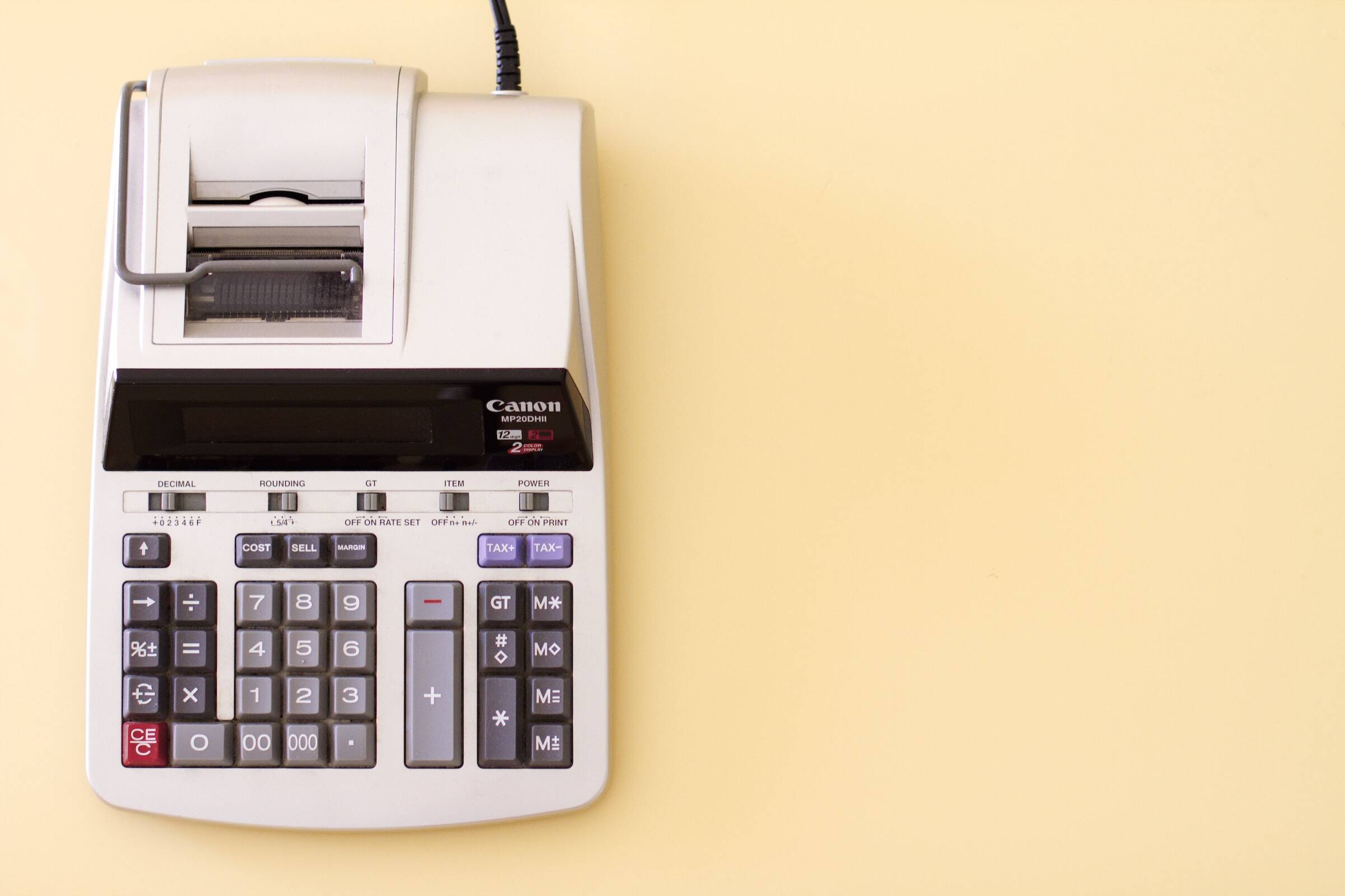
In another bid to encourage taxpayers to go digital, HMRC will scrap Form VAT1, which is currently used to apply for VAT registration by post. From 13 November, new VAT registrations will need to be completed using the online VAT registration service. It is hoped that this will speed up the processing of VAT registration, although currently only 80% of online applications are processed within 40 working days.
Businesses that are “digitally excluded” can still use the paper form but will need to call the VAT helpline and explain why they are unable to complete the registration online. Where such businesses are represented by an agent, the agent is still required to use the online VAT registration service. A minority of businesses, such as those without a UTR or non-UK partnerships, are not currently able to use the online VAT registration service, and should also call the VAT helpline to obtain a paper form. HMRC is working to include all businesses within the service and will cease to issue paper forms to them once this becomes possible.
Related Topics
-
Selling spare items to your company
You’re short of cash but if you use the traditional methods to take more money out of your company you’ll pay higher rate taxes. Is there another way to extract profits without paying income tax or NI?
-
No such thing as a (tax) free lunch?
You run a small consultancy company and treat your staff to lunch in the office once a week. Your bookkeeper says it’s a taxable benefit in kind because staff lunches are only exempt if they are provided in a workplace canteen. Is this correct?
-
Judge criticises use of fabricated AI-generated cases in HMRC appeal
A tax tribunal judge has criticised the use of apparently fabricated case references generated by artificial intelligence in an appeal against HMRC. The incident highlights growing concerns over the use of AI tools in legal and tax proceedings. What happened?