HMRC issues new fraud warning
HMRC is warning customers to be especially vigilant to fraudsters at this time of year due to the busy tax return season. What do you need to know?
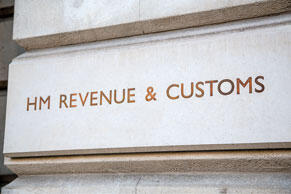
Fraud involving bogus contact purporting to be from HMRC is on the increase. Its latest press release, issued this week, reports that in the year to August 2022, over 180,000 cases of suspicious contact were referred to it. Nearly half of these were scams involving promises of fake tax refunds, designed to trick you into disclosing your bank details. In recent years, fraudsters are getting more brazen, often calling from numbers that genuinely look like HMRC. Upon answering (or checking a voicemail), you may be told that you need to urgently pay money or you will be arrested.
HMRC’s Director general for Customer Services said: “Never let yourself be rushed. If someone contacts you saying they’re from HMRC, wanting you to urgently transfer money or give personal information, be on your guard. HMRC will never ring up threatening arrest. Only criminals do that. Tax scams come in many forms. Some threaten immediate arrest for tax evasion, others offer a rebate. Contacts like these should set alarm bells ringing, so take your time and check HMRC scams advice on GOV.UK.”
Related Topics
-
Selling spare items to your company
You’re short of cash but if you use the traditional methods to take more money out of your company you’ll pay higher rate taxes. Is there another way to extract profits without paying income tax or NI?
-
No such thing as a (tax) free lunch?
You run a small consultancy company and treat your staff to lunch in the office once a week. Your bookkeeper says it’s a taxable benefit in kind because staff lunches are only exempt if they are provided in a workplace canteen. Is this correct?
-
Judge criticises use of fabricated AI-generated cases in HMRC appeal
A tax tribunal judge has criticised the use of apparently fabricated case references generated by artificial intelligence in an appeal against HMRC. The incident highlights growing concerns over the use of AI tools in legal and tax proceedings. What happened?