HMRC encourages UK Trader Scheme users to take action by 31 July 2023
Any business using the UK Trader Scheme should already be aware that it will cease to exist from 30 September 2023. A new scheme will replace it, but action needs to be taken to ensure a smooth transition. What do you need to know?
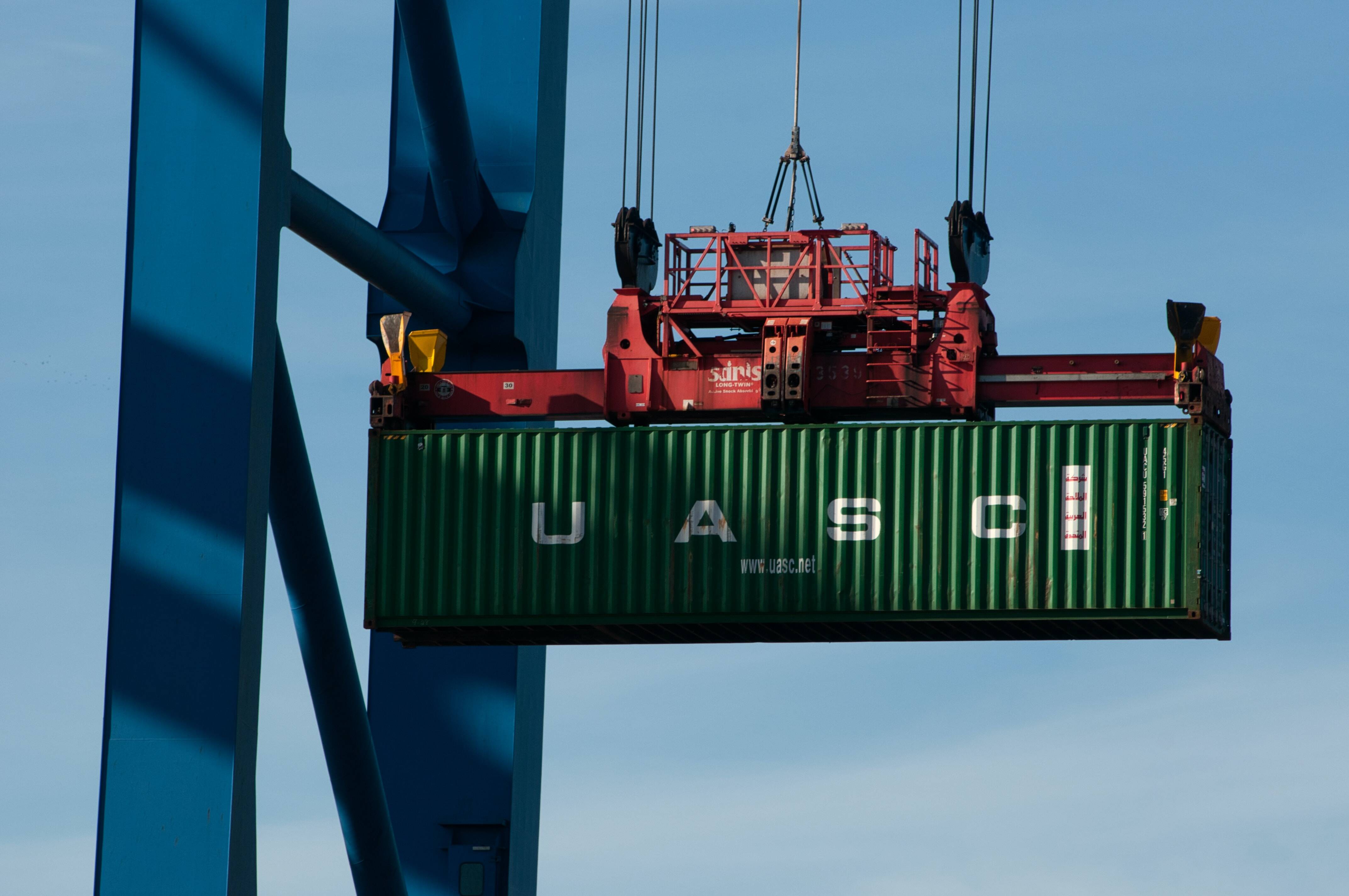
The UK Trader Scheme was introduced to ensure that goods entering Northern Ireland from Great Britain that are not "at risk" of entering the EU are not charged EU duty or tariffs after Brexit. However, the scheme was set up under the original withdrawal agreement. Since then, the EU and UK have agreed the Windsor Framework; which includes a new "green lane" for traders moving goods to Northern Ireland. This will simplify administration with less paperwork, fewer checks and duties. Goods moving through the green lane won’t be subject to the same processes that apply to other goods entering Northern Ireland. The trader will only need to submit a simplified dataset, based on commercial information.
As a result, a new scheme - the UK Internal Market Scheme (UKIMS) has been launched. Authorisation to use the scheme must be obtained before using it, and HMRC is warning that applications received after 31 July 2023 may not be processed before the old scheme closes in September. If your business is affected, it is crucial to ensure you move over to UKIMS as soon as possible.
Related Topics
-
Selling spare items to your company
You’re short of cash but if you use the traditional methods to take more money out of your company you’ll pay higher rate taxes. Is there another way to extract profits without paying income tax or NI?
-
No such thing as a (tax) free lunch?
You run a small consultancy company and treat your staff to lunch in the office once a week. Your bookkeeper says it’s a taxable benefit in kind because staff lunches are only exempt if they are provided in a workplace canteen. Is this correct?
-
Judge criticises use of fabricated AI-generated cases in HMRC appeal
A tax tribunal judge has criticised the use of apparently fabricated case references generated by artificial intelligence in an appeal against HMRC. The incident highlights growing concerns over the use of AI tools in legal and tax proceedings. What happened?